

Current Status
Price
Get Started
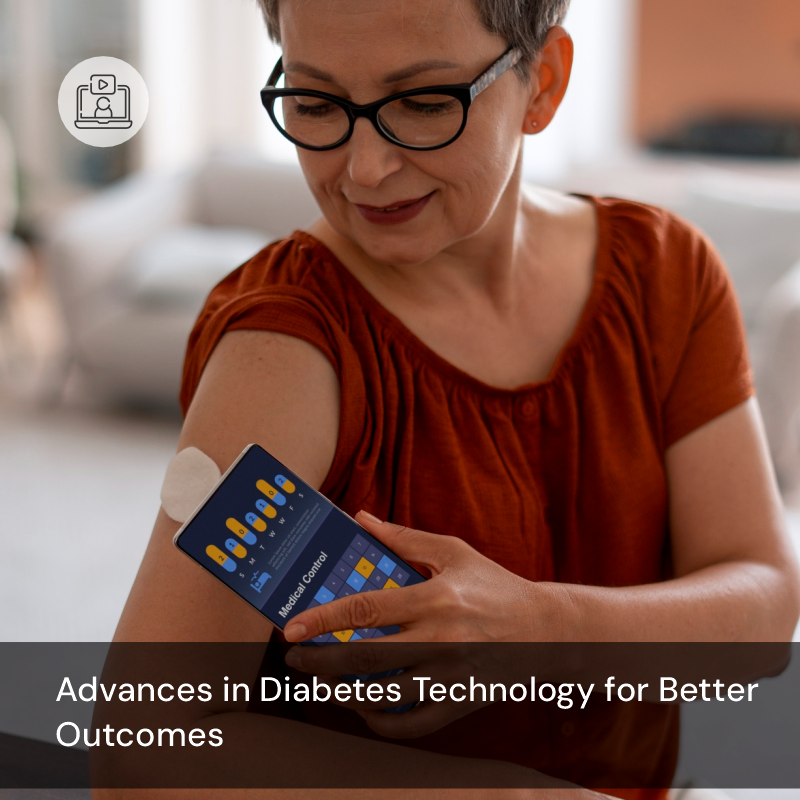
Recent advances in diabetes technology are reshaping glycemic management across inpatient and outpatient settings, with growing evidence supporting the integration of continuous glucose monitoring (CGM), automated insulin delivery (AID), and insulin pump therapy. Contemporary standards of care emphasize the continuation of CGM during hospitalization, supplemented by confirmatory point-of-care glucose testing to guide insulin dosing and hypoglycemia management.
Randomized clinical trial data demonstrate that CGM-guided insulin administration in hospitalized patients improves time in range while significantly reducing hypoglycemic events compared with conventional monitoring strategies. In parallel, evolving ADA recommendations now position AID systems as the preferred insulin delivery modality for eligible individuals with type 1 diabetes, and increasingly for selected patients with type 2 diabetes on intensive insulin regimens. Beyond clinical care, CGM adoption is expanding into performance optimization and early dysglycemia detection, reflecting its broader metabolic utility. Collectively, these innovations enable more precise, data-driven, and individualized glycemic control, with meaningful implications for outcomes, safety, and quality of care in modern endocrinology practice.